
Deen


Our purpose is to worship Allah, and that’s at the heart of all we do. We don’t just teach Islam and the Qur'an—we strive to inspire a deep love for them, nurturing a personal connection to faith as a source of guidance, comfort, and joy.
Academics
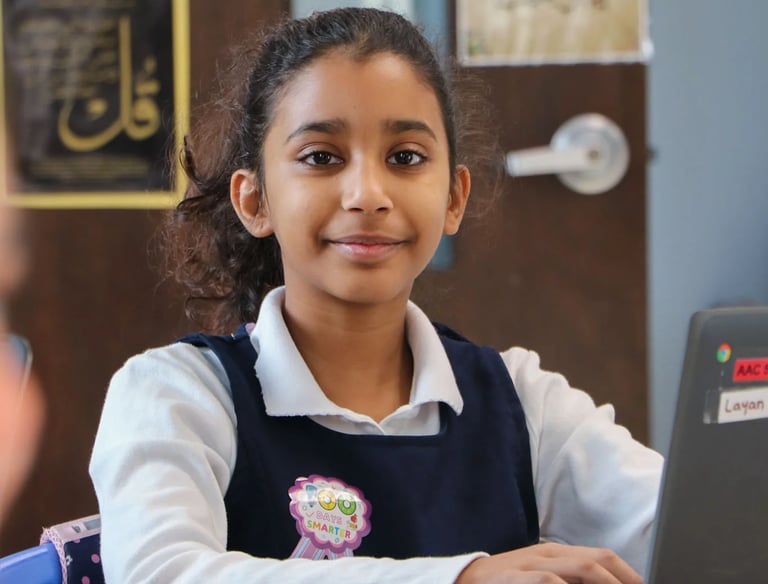
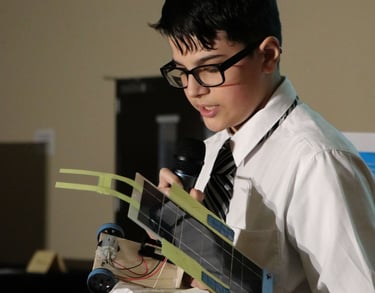
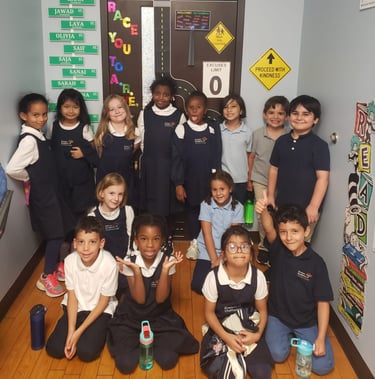
We take great pride in offering top-tier courses, experienced teachers, and a rigorous curriculum designed not just to prepare students for higher education, but to equip them with the knowledge and skills they need to thrive in life.
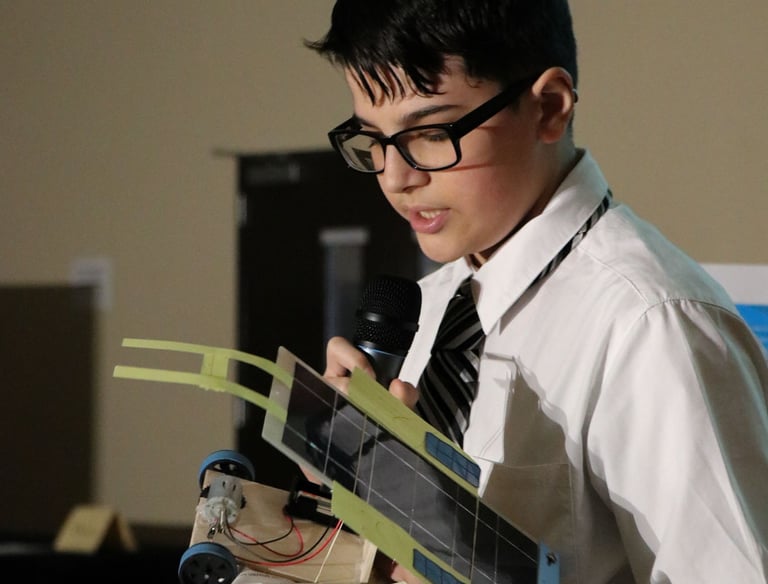
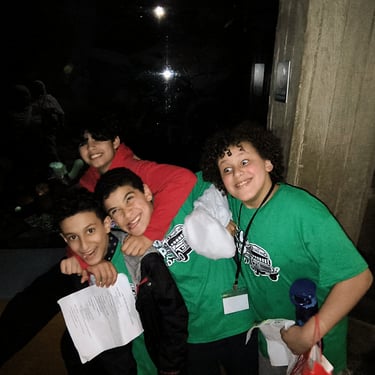
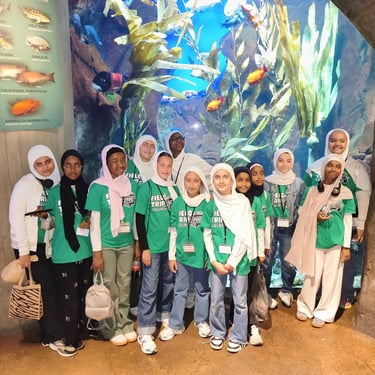
We go beyond the basics by offering exciting extracurriculars like robotics and coding, hosting inspiring guest speakers, and providing independent study opportunities. We make sure no learning gap is left behind—giving our students the well-rounded education they deserve.
Extracurricular
Annoor Academy: Excellence in Education
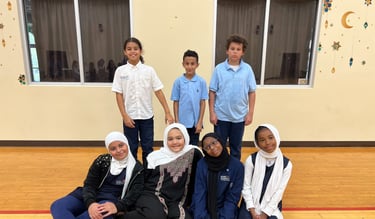
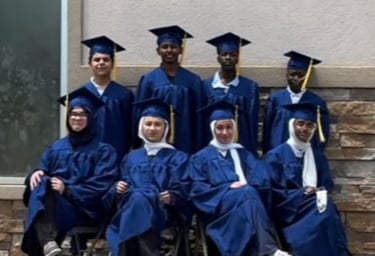
An accredited Islamic school dedicated to nurturing young minds with a rigorous curriculum that blends academic excellence and deep Islamic teachings, from pre-elementary to middle school.



Excellence
Providing rigorous curriculums in academic subjects and Islamic teachings.
Accredited
© 2025. All rights reserved.